HTML
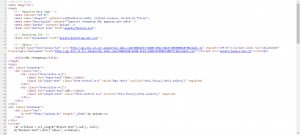 HTML - язык гипертекстовой разметки. Данный язык сложно назвать программированием, HTML - именно разметка документа. Расшифровывается как HyperТext Markup Language. HTML интерпретируется браузерами и полученный в результате интерпретации форматированный текст отображается на экране монитора компьютера или мобильного устройства. Существует несколько версий разметки, распространённые версии 4 и 5.
Язык HTML до 5-ой версии определялся как приложение SGML (стандартного обобщённого языка разметки по стандарту ISO8879). Спецификации HTML5 формулируются в терминах DOM (объектной модели документа). HTML5 стандарт был завершён в 2014 году, но поддержка его браузерами внедрилась ещё в 2013 году. В HTML5 реализовано множество новых синтаксических особенностей. Например, элементы <video>, <audio> и <canvas>, а также возможность использования SVG и математических формул.
HTML создавался для обмена научной и технической документацией, пригодный для использования людьми, не знающие вёрстку. Язык успешно справлялся благодаря небольшому набору структурных и семантических элементов — дескрипторов. Дескрипторы по другому называют «тегами». С помощью HTML можно легко создать простой и красиво оформленный документ. Кроме упрощённой структуры документа, в HTML внесена поддержка гипертекста. Возможности мультимедиа были добавлены в более поздних версиях языка.
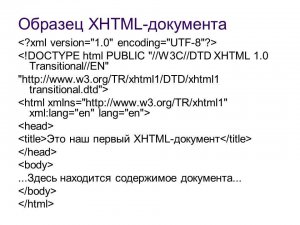 HTML очень близок к XHTML (расширяемый язык гипертекстовой разметки), но использует разные спецификации. Согласно синтаксису XHTML:
- Все элементы должны быть закрыты. Теги, не имеющие закрывающего тега (например, <img> или <br>), должны иметь на конце / (например, <img src="pic.png"/>).
- Логические атрибуты записываются в более развёрнутой форме (<td nowrap="nowrap">).
- Имена тегов и атрибутов записываются строчными буквами (например, <img src="" /> вместо <IMG SRC="" />);
- XHTML гораздо строже относится к ошибкам в коде; < и & везде, даже в URL, должны замещаться < и &.
- Используется по умолчанию кодировкой UTF-8 (ISO 8859-1 в HTML).

